What ESG Management Will Look Like in 2030

By 2030, ESG Management May No Longer Exist as We Know It
That statement may sound provocative, but it reflects a reality that is already beginning to emerge.
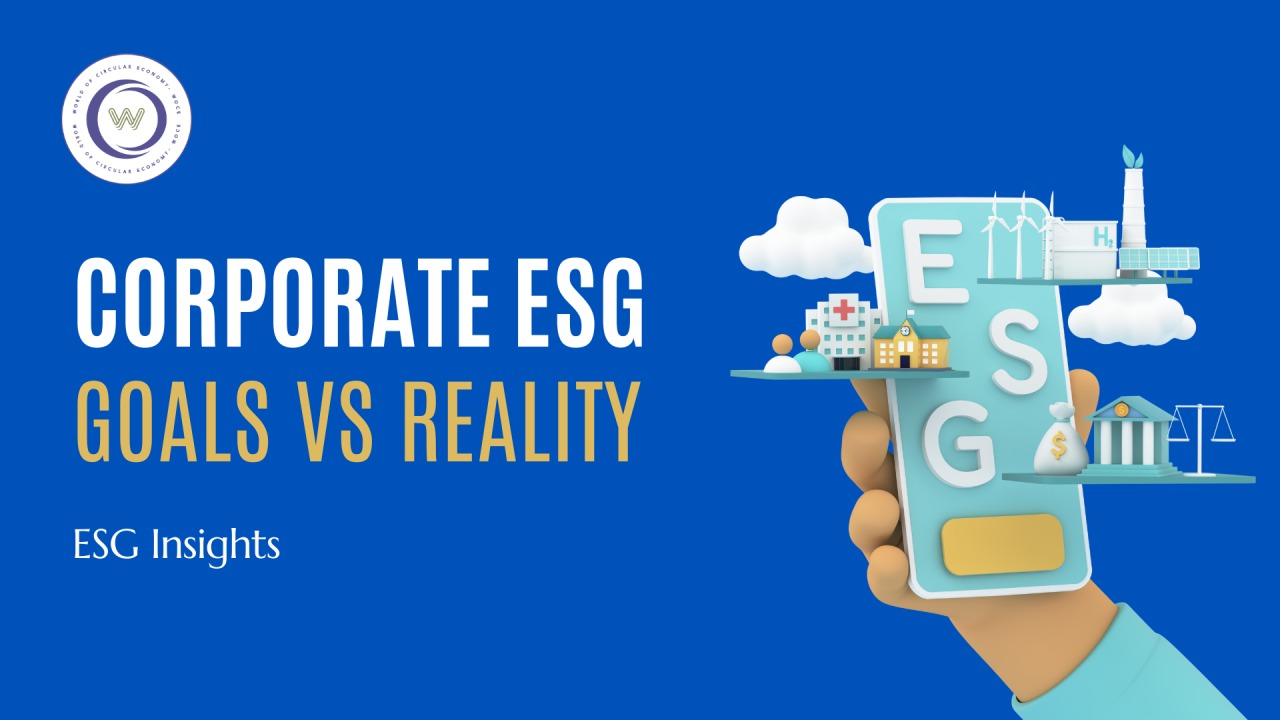
Over the past decade, ESG has largely been treated as a reporting function. Organizations built sustainability teams, developed disclosure processes, responded to questionnaires, published annual reports, and measured performance against an expanding list of frameworks and standards.
The result has been an entire industry focused on reporting sustainability.
Yet the next decade will not be defined by reporting.
It will be defined by intelligence.
By 2030, the organizations leading on sustainability will not necessarily be the ones producing the best ESG reports. They will be the organizations capable of using environmental and social data as a strategic decision-making asset.
In many ways, ESG management is approaching the same transformation that finance underwent decades ago. Finance evolved from bookkeeping into strategic intelligence. Sustainability is now beginning a similar journey.
The ESG function of 2030 will look fundamentally different from the ESG function of today.
ESG Will Stop Being a Department
One of the most significant shifts over the next five years will be organizational rather than technological.
Today, ESG often sits within a dedicated sustainability team responsible for collecting data, preparing disclosures, engaging stakeholders, and coordinating reporting efforts.
By 2030, this structure may become increasingly obsolete.
Not because sustainability becomes less important.
But because it becomes too important to remain isolated.
Environmental performance is already influencing procurement decisions, investment strategies, supply chain design, product development, risk management, and corporate governance.
As climate regulations expand and carbon accountability becomes embedded within business operations, sustainability responsibilities will become distributed across the enterprise.
Procurement teams will manage supplier emissions.
Finance teams will evaluate carbon exposure alongside financial exposure.
Operations teams will optimize both production efficiency and emissions performance.
Risk teams will monitor climate-related vulnerabilities.
Boards will increasingly treat sustainability metrics as business metrics.
The ESG department will not disappear.
It will become the connective tissue that enables sustainability intelligence across the organization.
Reporting Will Become Invisible
Much of today's ESG effort revolves around reporting cycles.
Organizations spend months collecting information from suppliers, validating spreadsheets, reconciling inconsistencies, and preparing disclosures for regulators, investors, customers, and rating agencies.
The process is expensive, labor-intensive, and often backward-looking.
By the time a report is published, the underlying data may already be several months old.
This model is unlikely to survive the next decade.
The future belongs to continuous reporting.
By 2030, ESG disclosures will increasingly emerge automatically from operational systems rather than being manually assembled through periodic reporting exercises.
The question will no longer be:
"What should we include in the report?"
Instead, it will become:
"Who should have access to the data?"
Organizations will operate through interconnected digital ecosystems that continuously capture emissions, energy consumption, resource use, supplier performance, and sustainability indicators.
Reports will become outputs.
Data systems will become the focus.
The most advanced organizations may eventually provide regulators, investors, customers, and auditors direct access to verified sustainability information through secure digital environments.
In such a world, reporting becomes almost invisible.
Transparency becomes continuous.
Carbon Will Become a Core Financial Variable
Today, most organizations still treat carbon as an environmental metric.
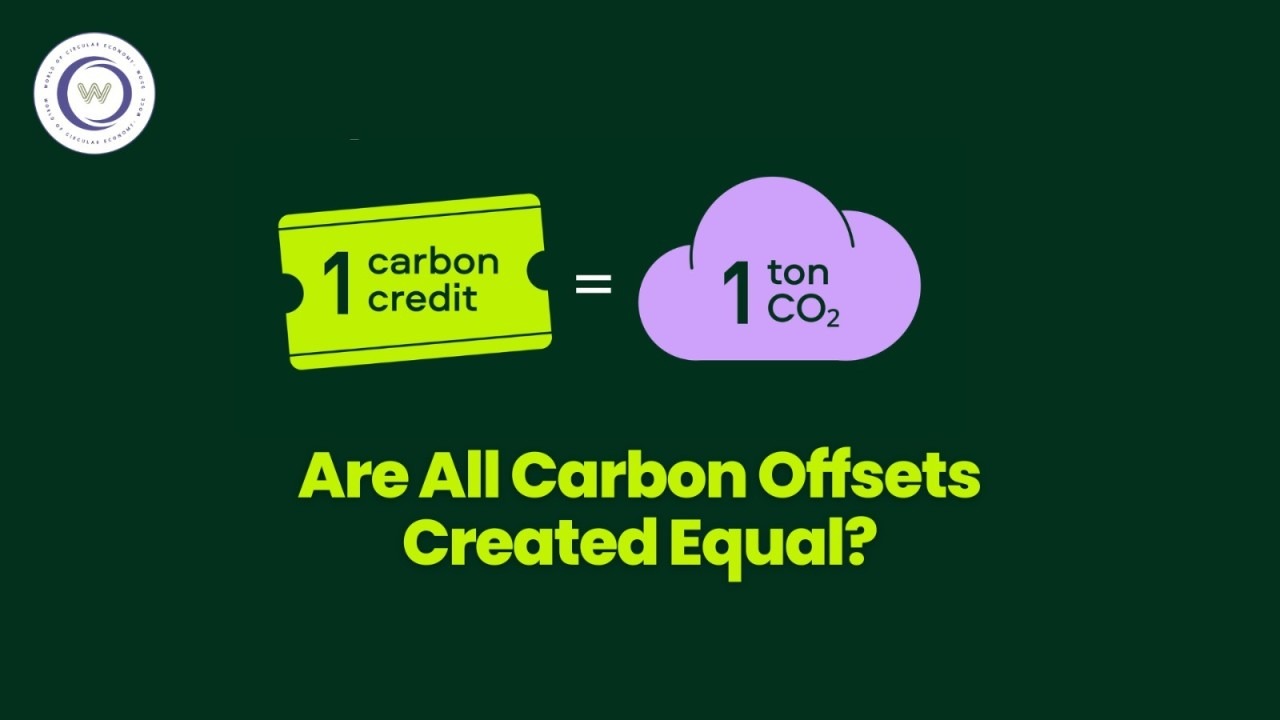
By 2030, carbon will increasingly be treated as a financial variable.
This shift is already underway.
Carbon pricing mechanisms are expanding.
Border carbon regulations are emerging.
Investors are evaluating climate-related financial risks.
Banks are incorporating sustainability criteria into lending decisions.
Customers are demanding emissions transparency across supply chains.
As these forces converge, carbon will begin influencing business decisions in the same way organizations currently consider currency fluctuations, commodity prices, interest rates, and operational costs.
Chief Financial Officers will increasingly ask questions such as:
How much carbon exposure exists within our supply chain?
What is our future carbon cost under different regulatory scenarios?
How will product-level emissions affect market access?
What financial risks emerge if carbon prices double over the next decade?
The organizations capable of answering these questions will gain a significant strategic advantage.
Those that cannot may find themselves operating with a critical blind spot.
Carbon Forecasting Will Become More Important Than Carbon Accounting
Today's sustainability programs focus heavily on measurement.
Organizations invest significant effort in calculating emissions inventories and establishing historical baselines.
While measurement remains essential, it is ultimately descriptive.
It explains the past.
The next generation of ESG systems will focus on prediction.
Just as financial forecasting enables organizations to anticipate future business conditions, carbon forecasting will enable organizations to anticipate future sustainability outcomes.
Leaders will increasingly simulate questions such as:
What happens to our emissions profile if production volumes increase by 30%?
How will supplier changes affect Scope 3 emissions?
What is the expected carbon impact of entering a new market?
How could future regulations influence operating costs?
What sustainability risks emerge under different growth scenarios?
The organizations capable of forecasting carbon performance will make better decisions than those relying solely on historical measurements.
By 2030, carbon forecasting may become as routine as financial forecasting.
AI Will Become a Sustainability Decision Engine
Much of the current discussion around AI focuses on automation.
Automating workflows is valuable.
But it is not transformational.
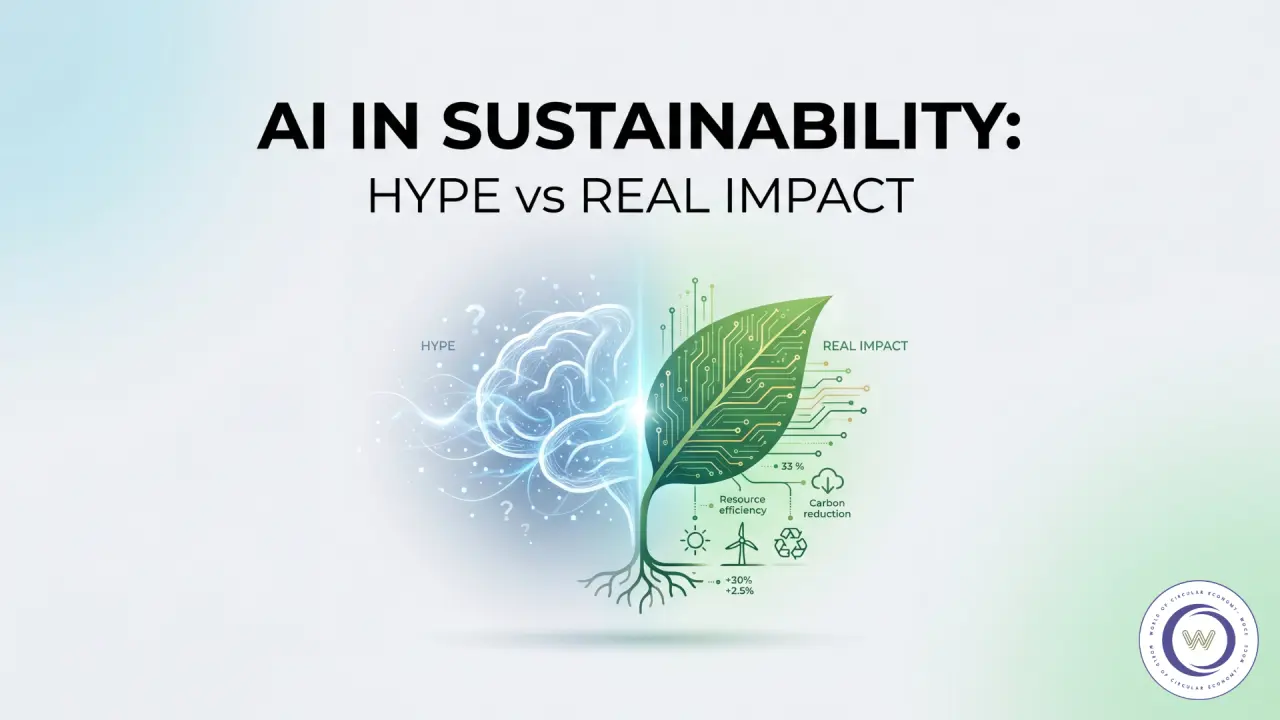
The true disruption will occur when AI moves beyond reporting support and becomes a sustainability decision engine.
Today's ESG systems tell organizations what happened.
Tomorrow's systems will increasingly recommend what should happen next.
Imagine a platform capable of identifying a supplier transition that reduces emissions by 15%, lowers compliance risk, improves procurement resilience, and generates cost savings simultaneously.
Imagine a system capable of predicting reporting gaps months before disclosure deadlines.
Imagine AI continuously scanning operational activities and highlighting the sustainability decisions with the highest strategic impact.
This is where ESG intelligence is heading.
The future is not simply automated reporting.
The future is augmented decision-making.
Organizations will increasingly rely on AI not to replace sustainability professionals, but to enhance their ability to identify risks, opportunities, and strategic actions.
ESG and Finance Will Become One System
Perhaps the most profound transformation by 2030 will be the disappearance of the boundary between ESG and finance.
Today, sustainability dashboards and financial dashboards often exist separately.
Different teams manage different datasets.
Different conversations occur in different rooms.
That separation is becoming increasingly difficult to justify.
Climate risk is financial risk.
Supply chain resilience is financial resilience.
Resource efficiency affects profitability.
Carbon exposure influences enterprise value.
Sustainability performance increasingly affects access to capital.
By 2030, leading organizations will operate integrated ESG-finance systems where environmental, operational, and financial data coexist within the same decision architecture.
Investment decisions will incorporate carbon impacts.
Procurement decisions will include climate considerations.
Business strategy will reflect sustainability outcomes.
The most successful organizations will no longer ask whether sustainability creates business value.
They will recognize that sustainability data is business data.
The Future Belongs to ESG Intelligence
The defining competitive advantage of the next decade may not be access to capital, technology, or even talent.
It may be an organization's ability to understand the future consequences of today's environmental decisions before its competitors do.
The organizations that continue treating ESG as a compliance exercise will likely spend the coming years responding to regulations.
The organizations that build ESG intelligence capabilities will shape markets.
By 2030, sustainability leadership will not be measured by the quality of a report.
It will be measured by the quality of decisions enabled by sustainability data.
The future of ESG is not reporting.
The future of ESG is intelligence.
And the organizations building ESG intelligence today will lead tomorrow's low-carbon economy.