Blog

  • Politics and climate change have always been uneasy bedfellows. One demands long-term vision and global cooperation; the other thrives on short-term wins and national interests. As the world grapples with rising temperatures, shrinking ice caps, and increasingly wild weather, the political landscape keeps shifting under our feet. Nowhere is this more evident than in the United States, where Donald Trump’s re-election in 2024 has once again thrust climate policy into the spotli..


  • Introduction Sustainability is no longer a niche concept in the hospitality industry—it is a necessity. As travelers increasingly prioritize eco-friendly accommodations, leading hotel brands are stepping up with innovative waste reduction and energy efficiency initiatives. This blog explores how top hotel chains are redefining sustainability, implementing cutting-edge solutions, and setting new industry standards.   ..


  • The Union Budget 2025, presented by Finance Minister Nirmala Sitharaman, lays the foundation for a sustainable innovation-driven economy, especially for startups integrating technology and sustainability. With bold fiscal measures and targeted incentives, the budget strengthens India’s transition towards green energy, deep-tech innovations, and circular economy practices. Below is an in-depth analysis of its key highlights and what they mean for sustainability-focused business..


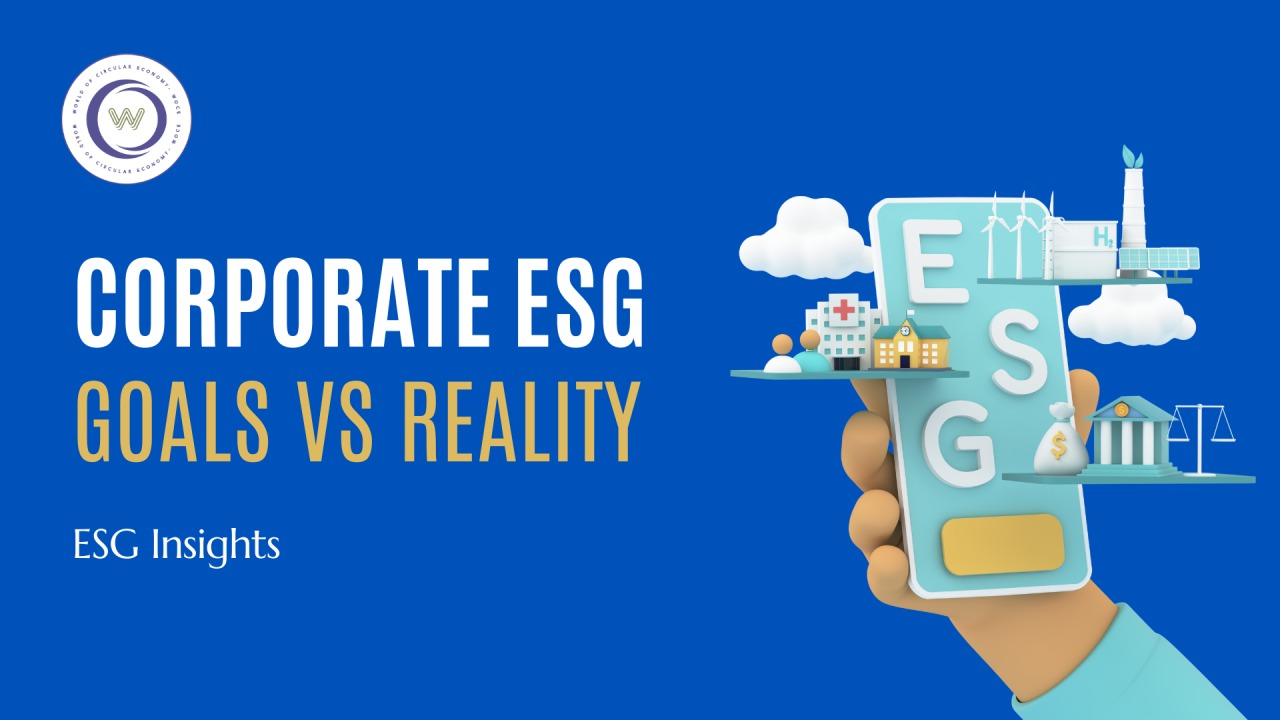
  • In the modern business landscape, Environmental, Social, and Governance (ESG) initiatives have become a cornerstone of corporate strategy. From multinational corporations to local enterprises, ESG goals reflect a company’s commitment to sustainability, equity, and ethical governance. However, while ambitious ESG goals are frequently announced, the gap between stated intentions and actual progress often raises critical questions about accountability, transparency, and impact.


  • Environmental, Social, and Governance (ESG) ratings have become a cornerstone for investors, businesses, and policymakers navigating the increasingly complex landscape of sustainable development. ESG ratings provide a quantitative assessment of a company’s sustainability performance, influencing investment decisions, regulatory compliance, and stakeholder trust. However, the dynamic nature of global markets, coupled with evolving stakeholder expectations, has prompted signific..